My New House and Neighborhood
Sophie learns about moving to a new house and exploring her new neighborhood. The story focuses on understanding the moving process, meeting new people, and finding familiar comfort in a new place.
Free to read and print — no account required
Read the Story
10 pages · 8 min read read
Show text
Read the Story
10 pages · 8 min read read
My family and I are moving to a new house in a different neighborhood. This means we're leaving the house we've lived in for a while and moving to a place where everything is new and unfamiliar. My parents decided to move because this neighborhood has great schools, friendly neighbors, and even a soccer field just a few blocks away.
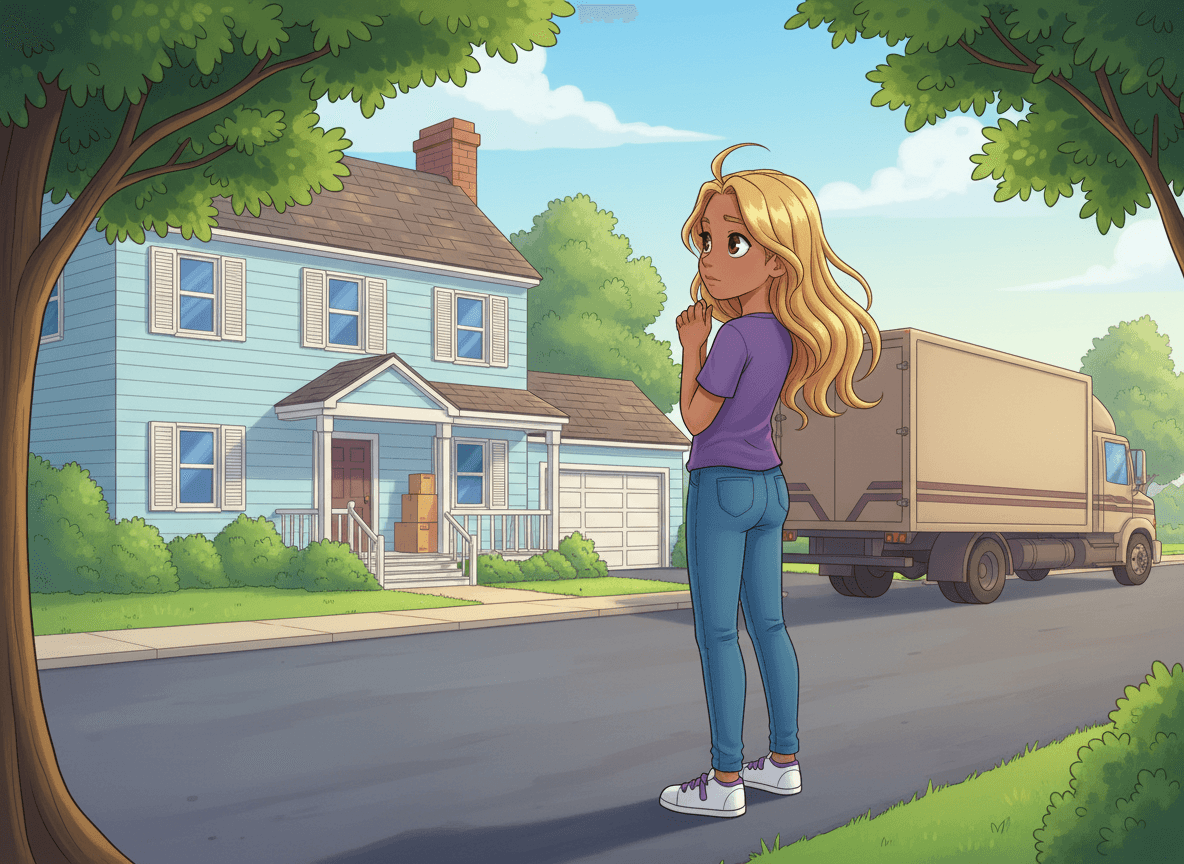
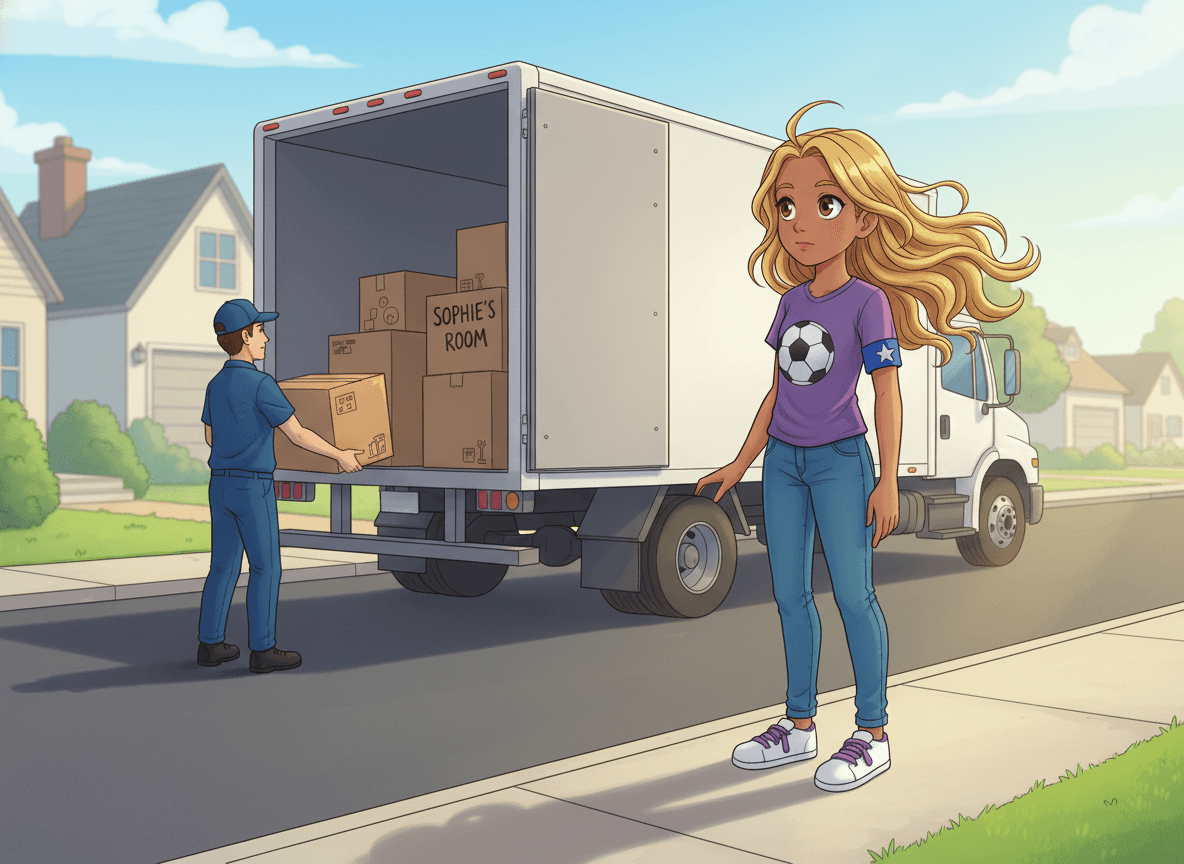
Moving day is busy and involves a lot of activity. The moving truck will carry all of our furniture, boxes, and belongings to our new house. Some things feel hard about leaving—I've had good memories in this neighborhood—but I also feel curious about what my new home and neighborhood will be like.
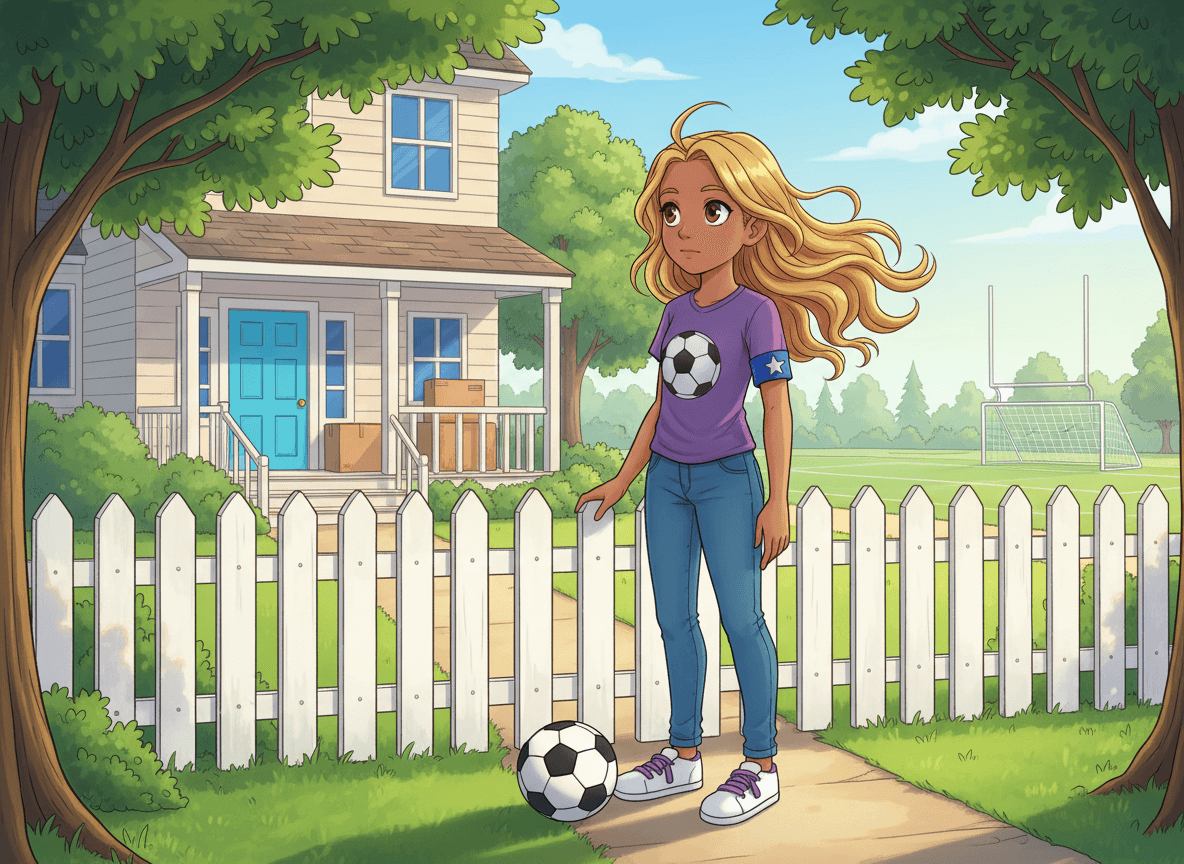
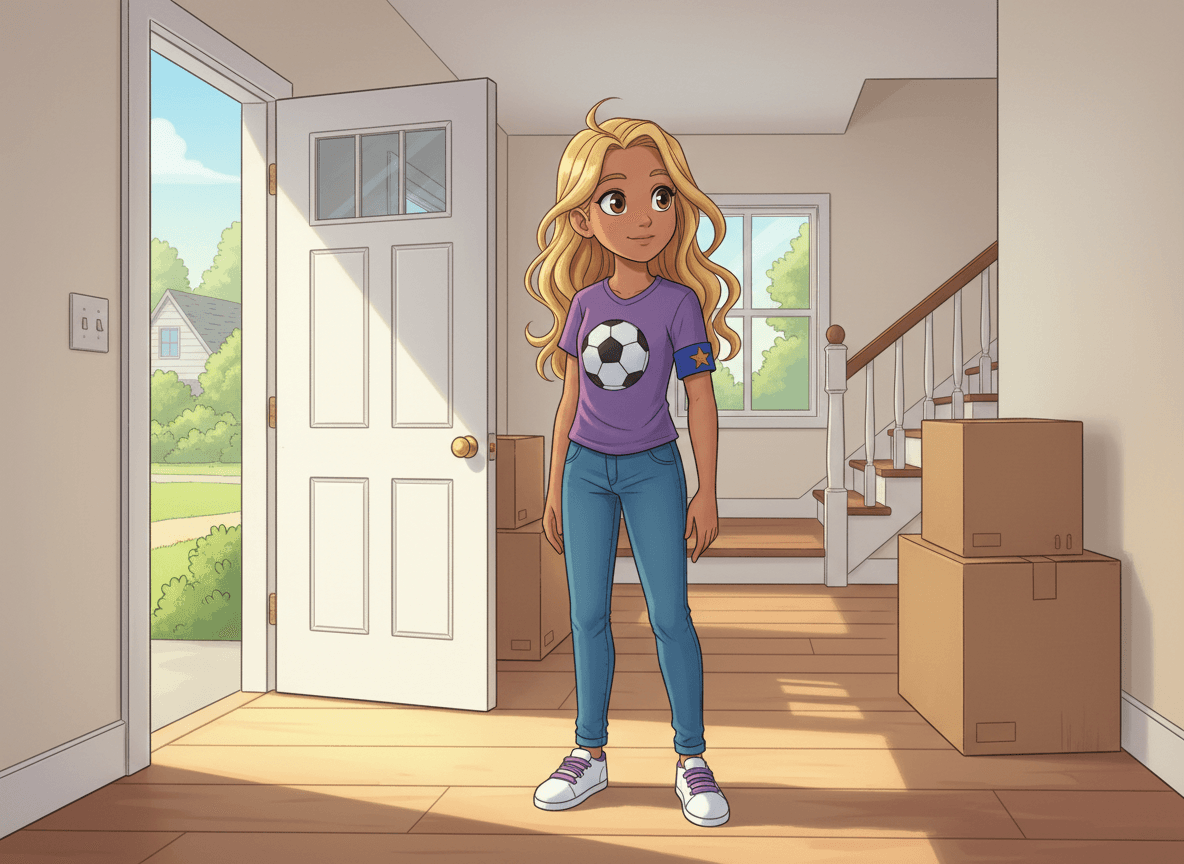
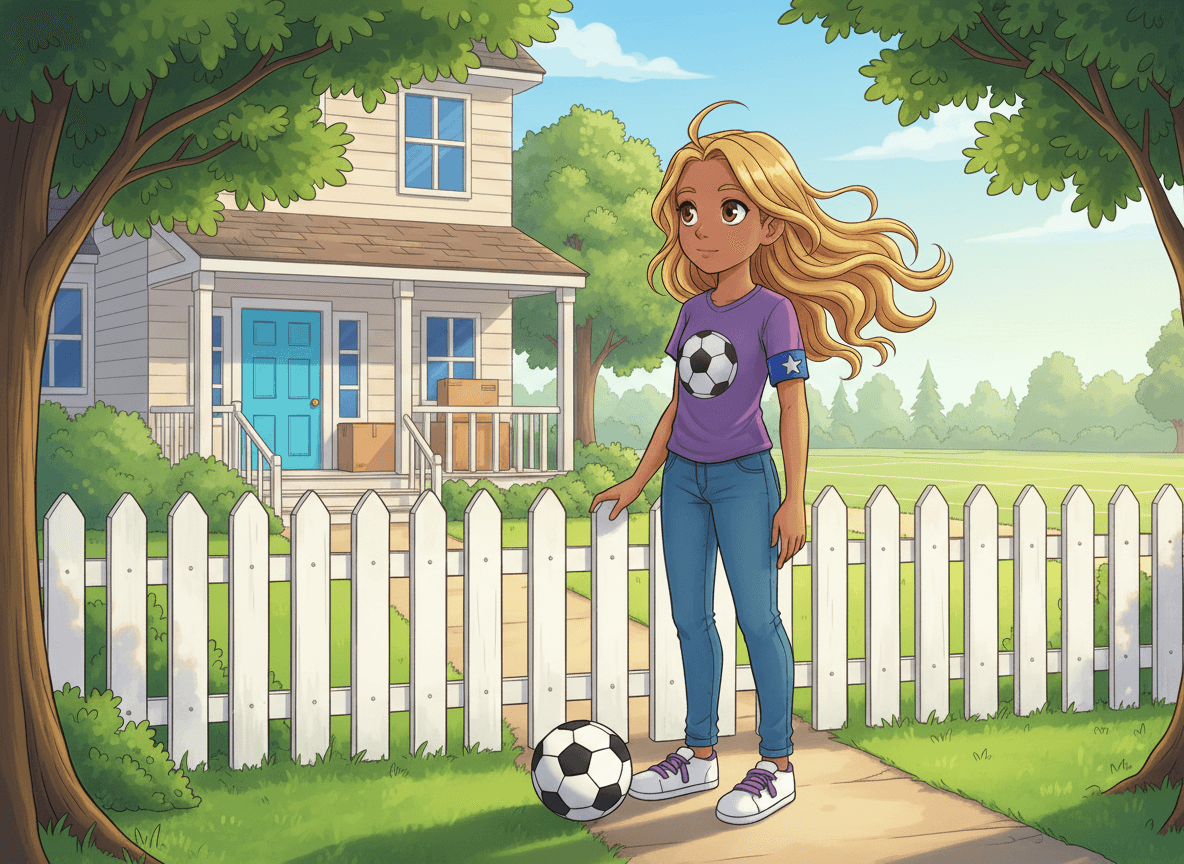
Our new house looks different from our old one. It's painted a soft cream color with a blue front door. The yard is bigger, and there's room for a garden and even space where a soccer goal could go. When I step inside, I notice the rooms smell different and the windows look out onto different streets.
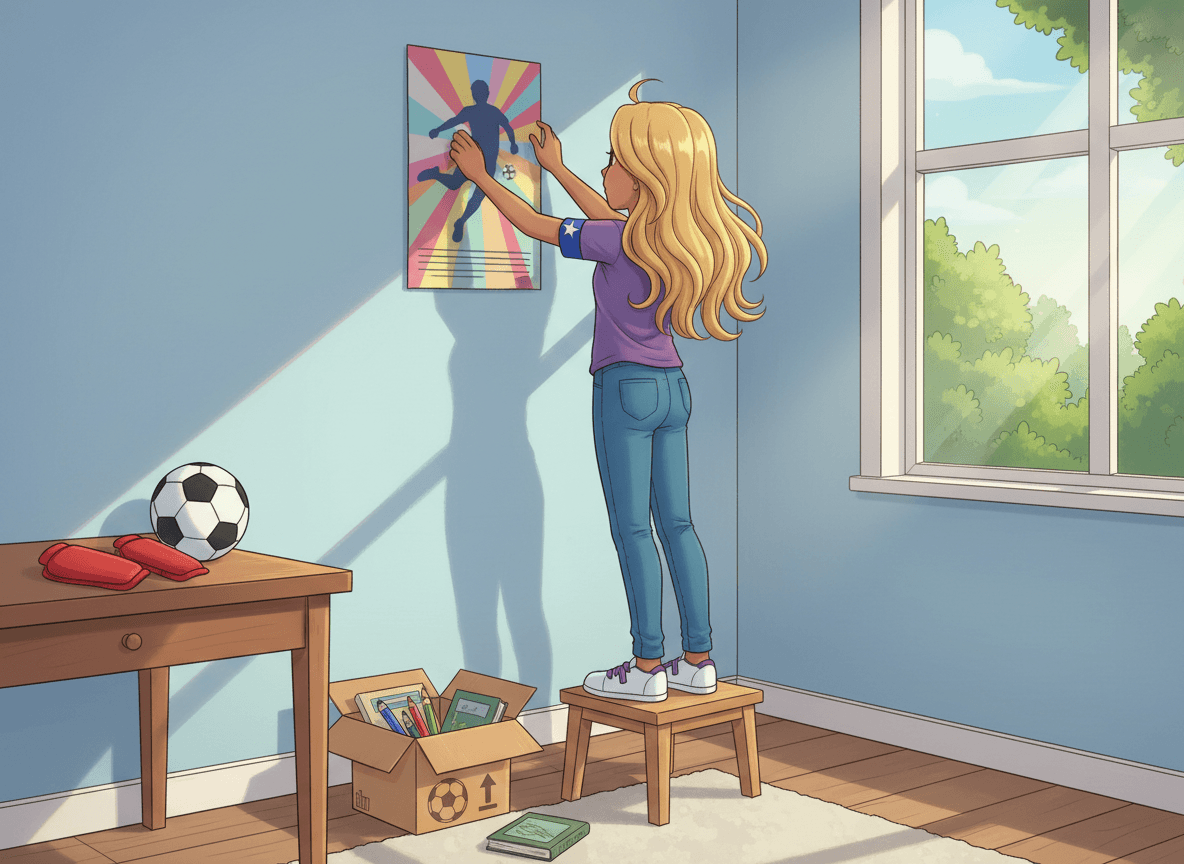
Even though my new house is different, I can make it feel like home by bringing my familiar things into it. My soccer posters, my art supplies, my books, and my soccer equipment help me feel comfortable. I spend time arranging my room and placing my things exactly where I want them, which helps me feel more settled.
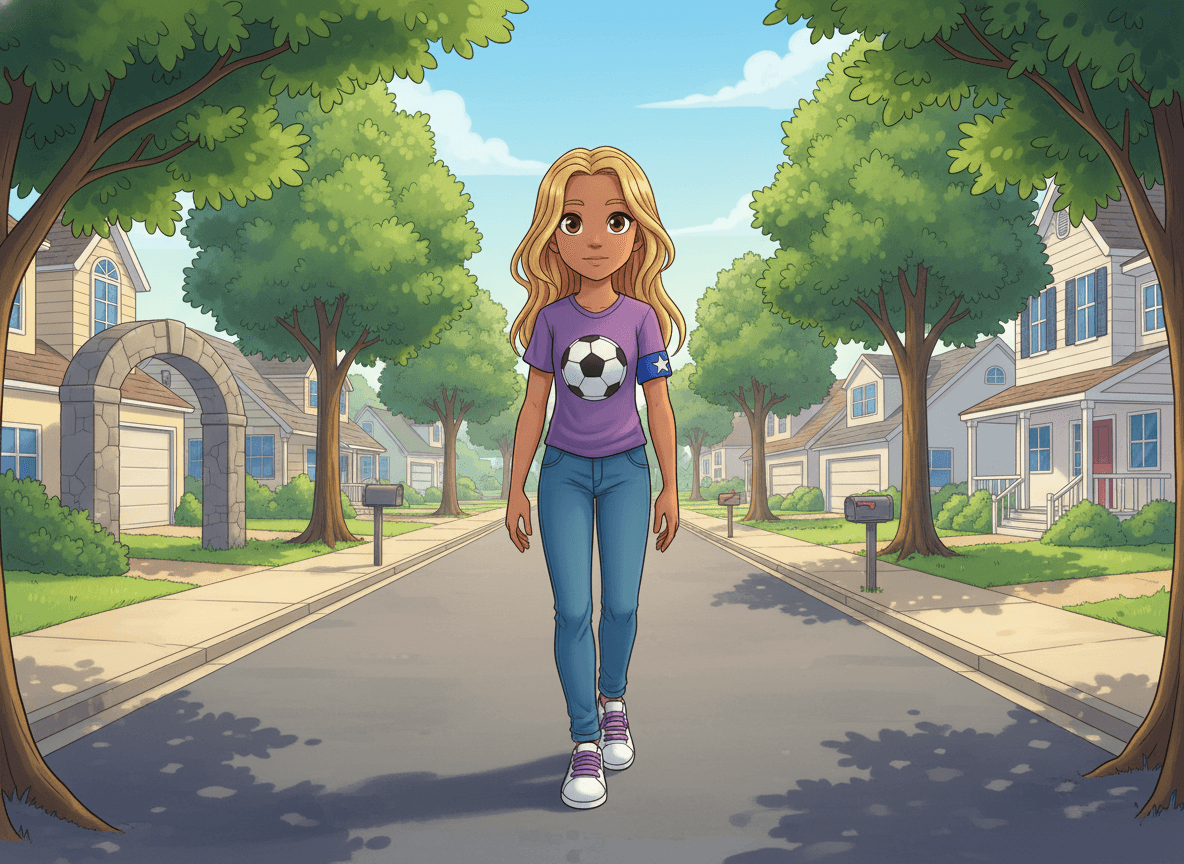
My new neighborhood has many things to explore. There's a park with the soccer field I heard about, stores and shops on a main street, and different houses with different designs. When I take a walk around the neighborhood, I notice mailboxes, trees, sidewalks, and other details that make this place unique.
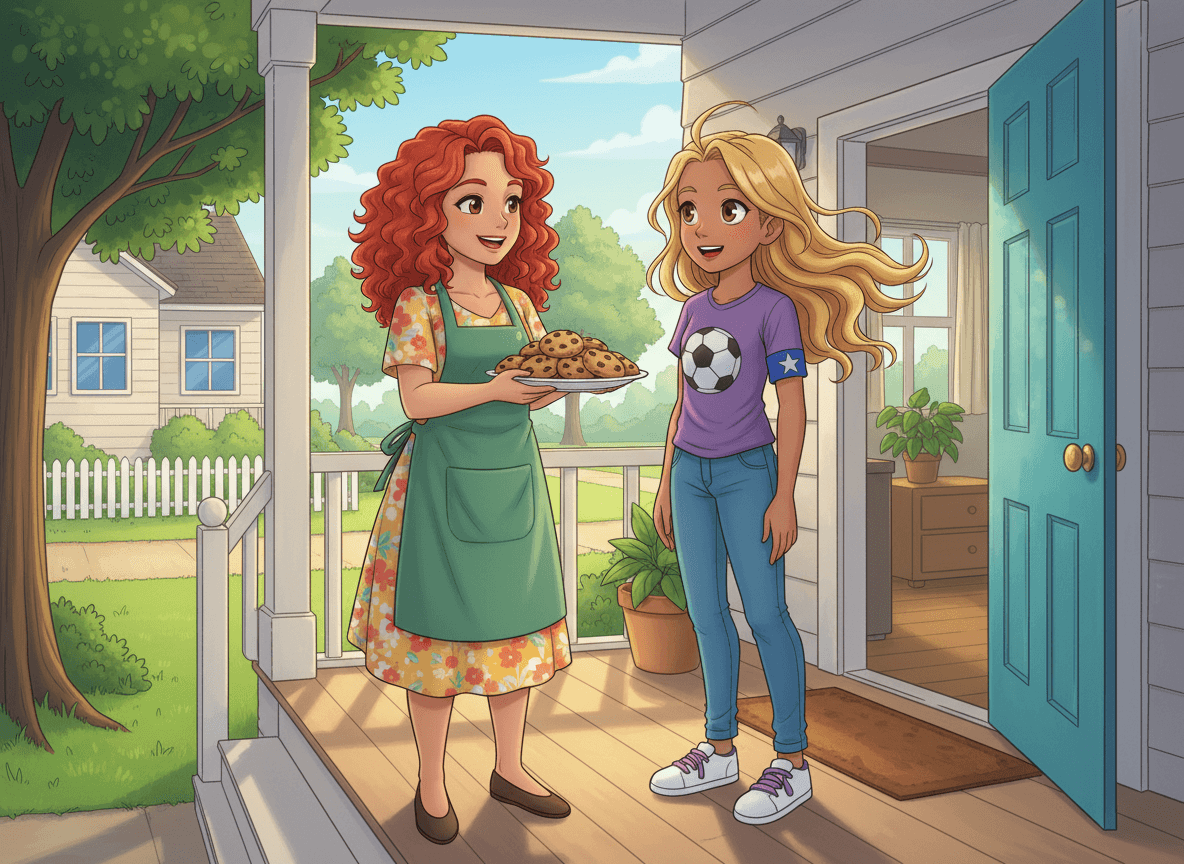
People in my new neighborhood are friendly and curious about meeting us. Some neighbors have come to say hello and welcome us. A neighbor named Mrs. Chen who lives next door brought over cookies and introduced herself. Meeting neighbors helps me understand that people in the neighborhood are kind and accepting.
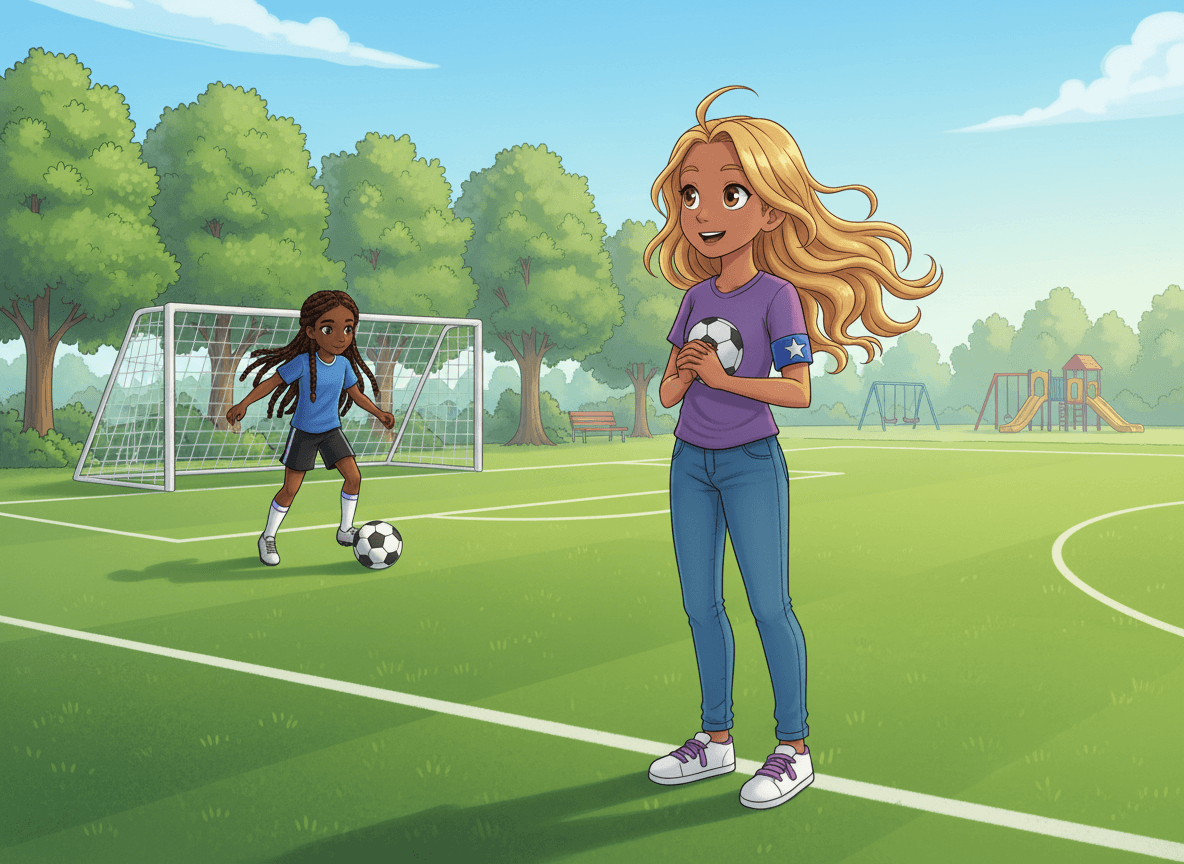
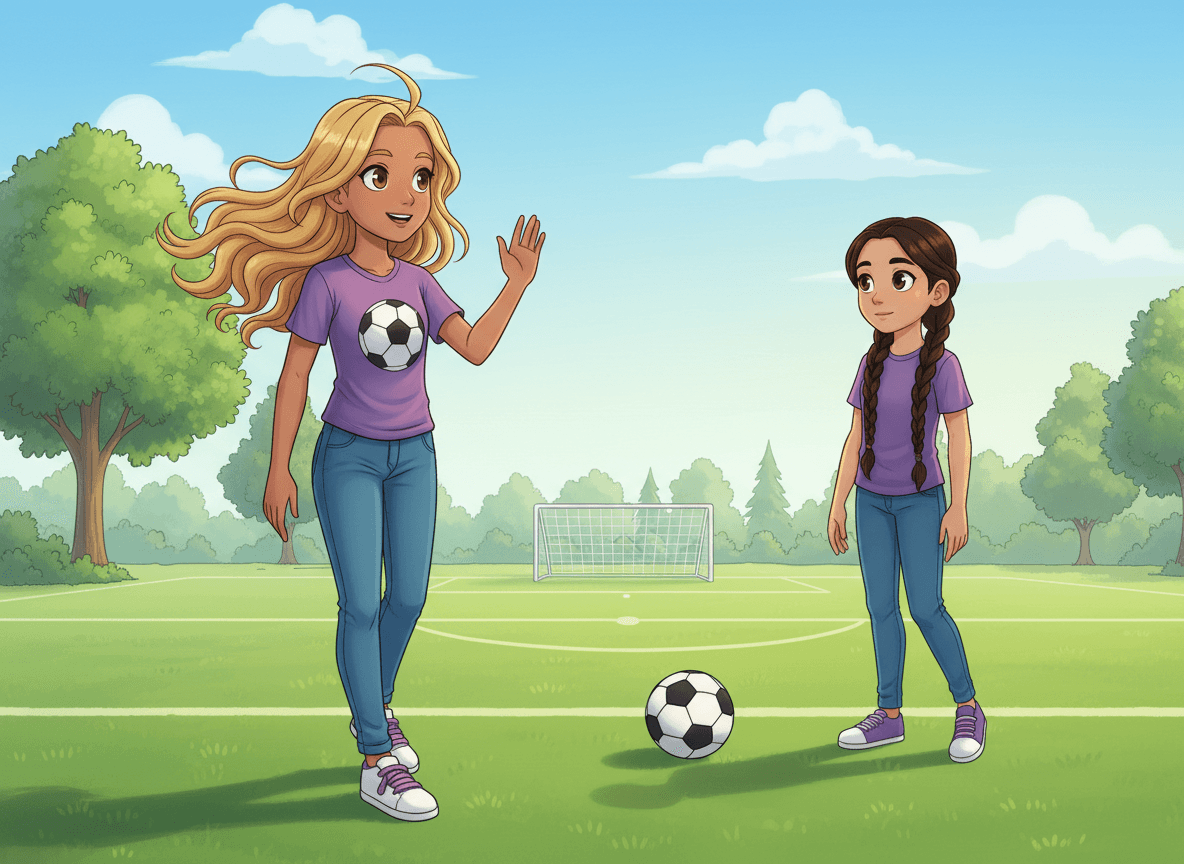
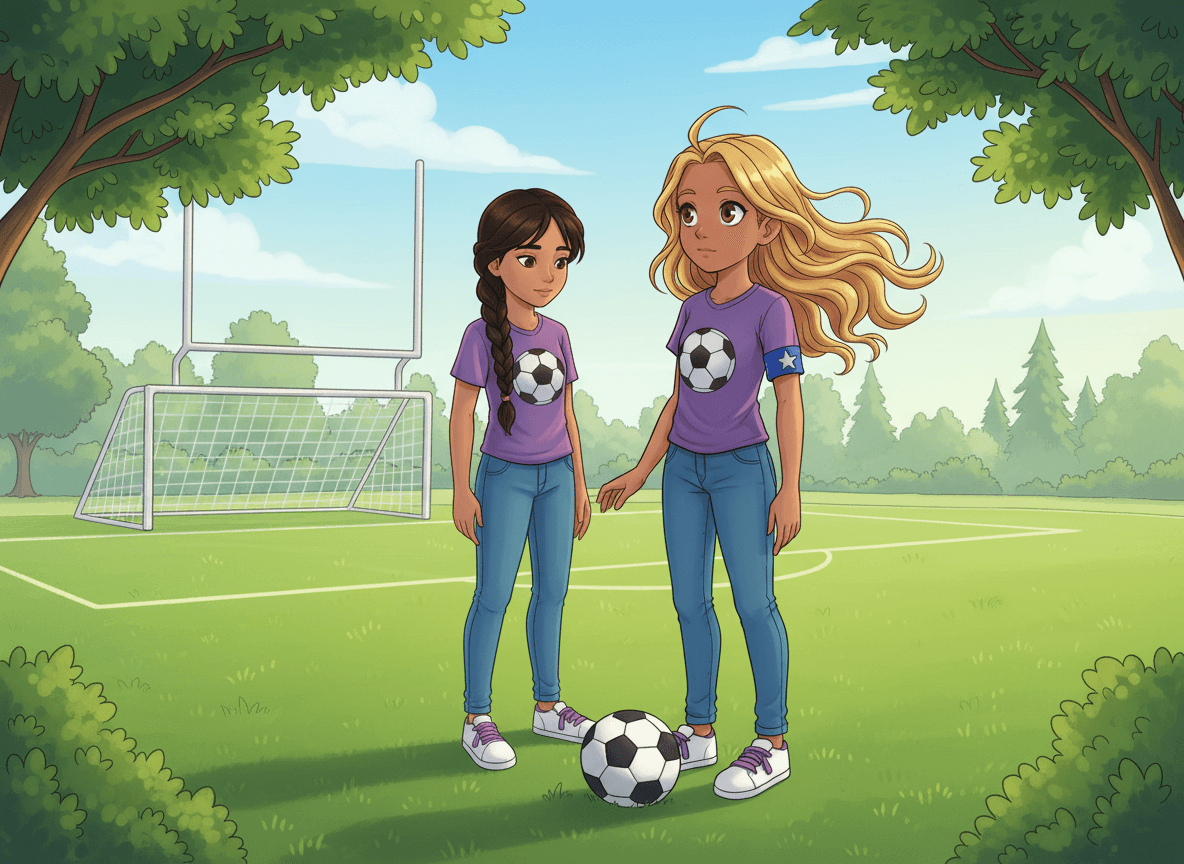
The neighborhood has kids my age, and some of them play soccer at the park. When I visit the park and see the soccer field, I feel excited about the possibility of making new friends through soccer. I notice a girl about my age practicing soccer skills, and I feel curious about talking to her.
I can introduce myself to new people by walking over and saying hello. I might say something like, 'Hi, I'm Sophie. I just moved into the neighborhood and I play soccer too.' Starting conversations helps me connect with people and build friendships in my new neighborhood.
Making new friends takes time, and that's okay. Not every person will be my best friend right away, but building friendships is about spending time together, learning about each other, and finding things we have in common. Soccer is one thing I already have in common with the girl I met at the park.
Moving to a new house and neighborhood is a big change, but it's also an opportunity to start new experiences. I can find familiar comfort in things I love—like soccer and art—while also exploring new things and meeting new people. My new neighborhood is becoming a place where I belong.
Social Story Methodology
Why This Story Works
Moving to a new house and neighborhood combines multiple sensory and social unknowns that can overwhelm children with autism or anxiety—new sights, smells, layouts, and social expectations all at once. This story uses Carol Gray's methodology to break the transition into concrete, manageable steps (moving day → exploring the house → meeting neighbors → making friends), which reduces anxiety by replacing uncertainty with clear expectations. By pairing the big change with familiar anchors like soccer and art supplies, the story teaches children that transitions don't erase their identity—they expand it.
Story Structure
How It's Written
Sentence Types
Voice & Perspective
Story Structure
Practical Guidance
Ways to Use This Story
Take photos of the new house
Walk the neighborhood together
Read before and after moving day
Celebrate familiar items in the new room
Practice the introduction script together
Want this story made just for your child?
Create a version with your child's name, appearance, and the specific details only they face — in minutes.
from $2.99 · no subscription · pay per story
More Transitions Stories
Free to read and print
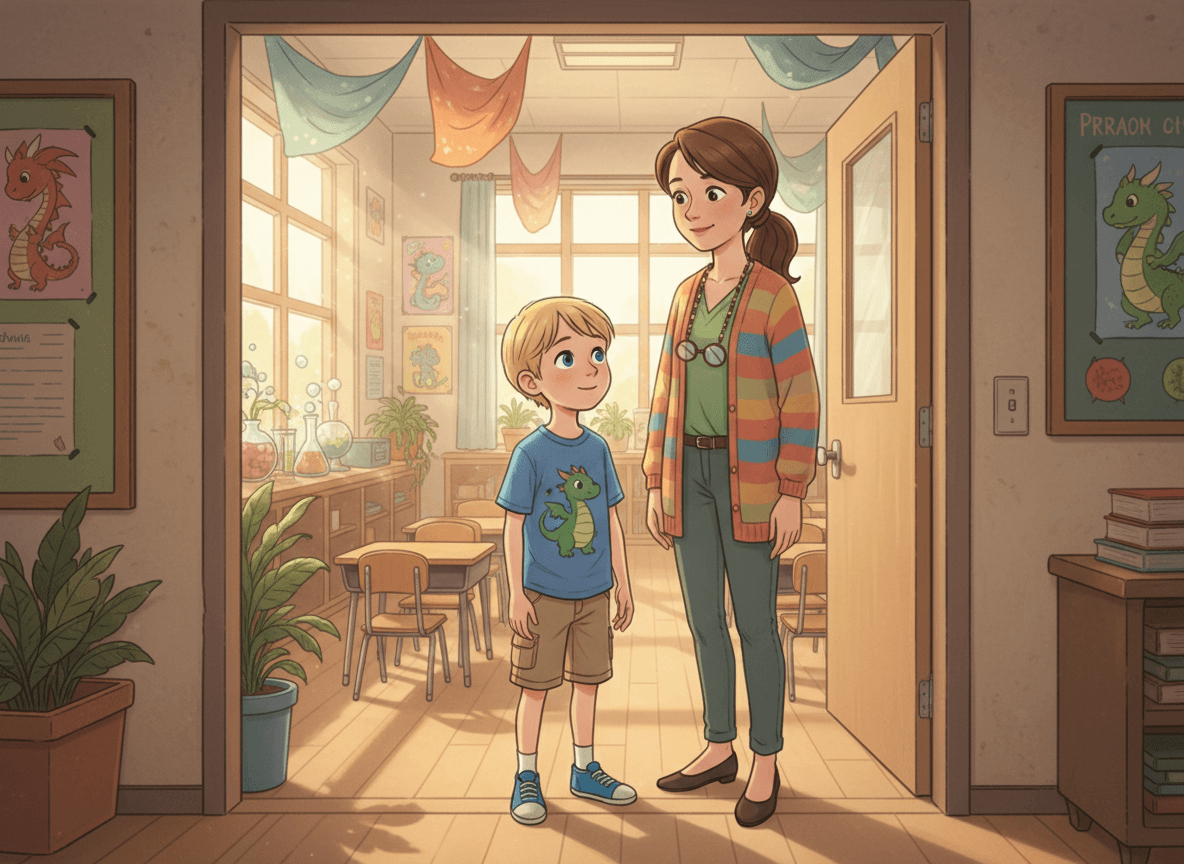
My New Grade and Teacher
Ethan moves to a new grade and meets his new teacher, Ms. Davis. This story helps him understand the changes ahead, learn a specific coping strategy for transition anxiety, and discover that new beginnings can be exciting.

My First Day at New School
Amara prepares for her first day at a new school, exploring what to expect and building confidence in her ability to navigate the new environment and meet new people.
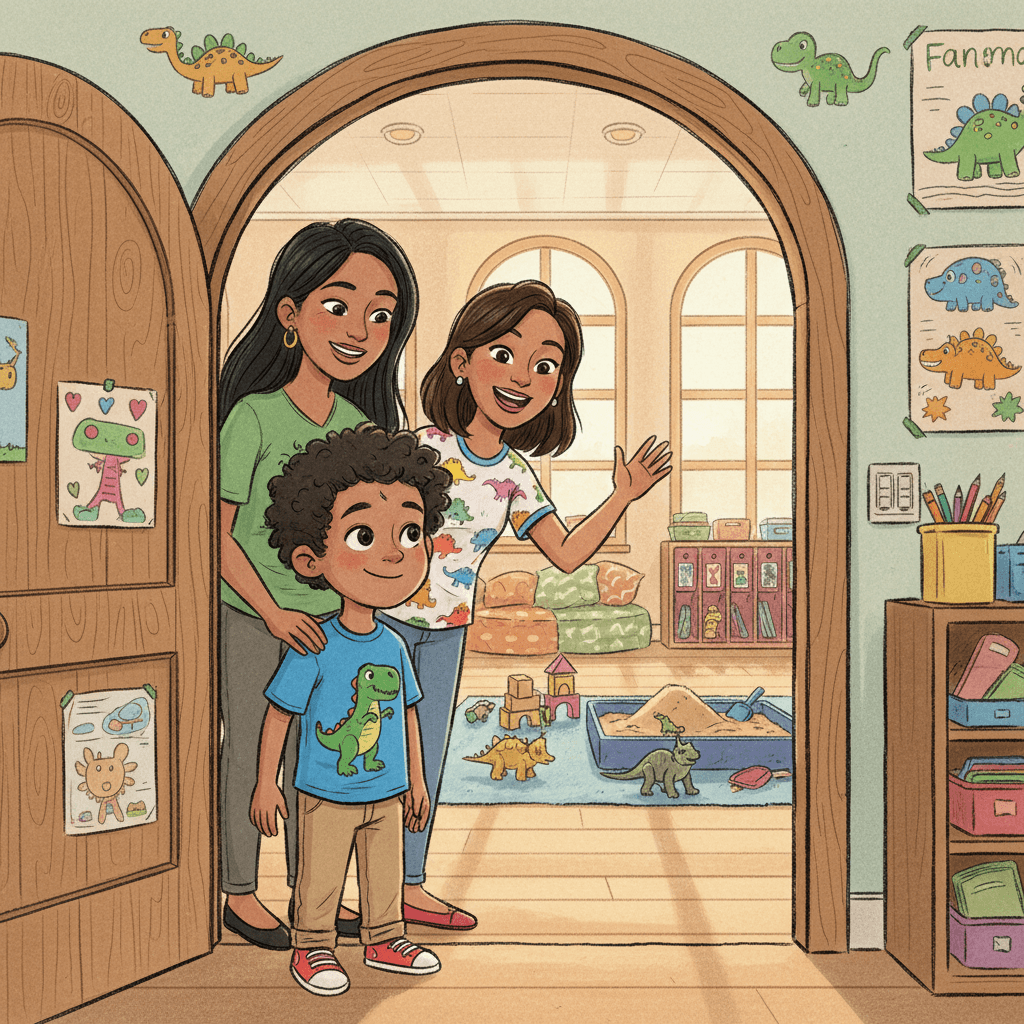
Amir's First Day at Preschool
Amir starts preschool and discovers all the exciting things he can do in his new classroom. This story helps him feel ready and confident about his first day, and teaches him a coping strategy to use when he feels worried.