
My New Daily Schedule
Kai learns to adapt to schedule changes and discovers that routines can be flexible while still helping them stay organized and on track with what matters most.
Free to read and print — no account required







Read the Story
9 pages · 7 min read read
Show text
Read the Story
9 pages · 7 min read read
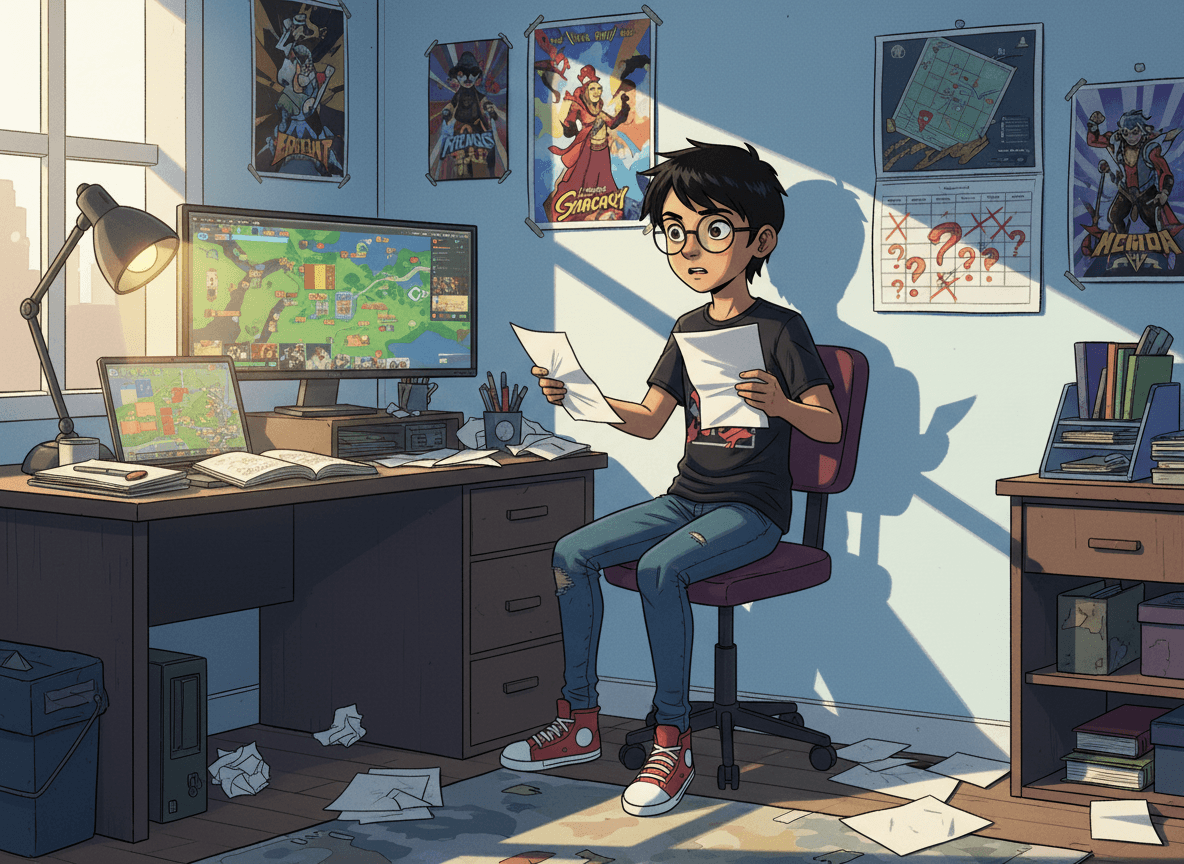
My schedule changed this week. School starts earlier now, and I have new activities after school. At first, I felt confused about when everything happens. I realized I needed to figure out what my new routine would look like.
I understood that my old schedule isn't coming back. That's okay. Change happens in life, and adapting to new schedules is something many people do. I decided to create a new routine that works for my life right now, instead of trying to force my old one back.
I started by writing down everything that needs to happen each day. School, homework time, my new after-school activity, skateboarding, video games, meals, and sleep. I listed them without worrying about the order yet. This helped me see everything clearly.
Next, I looked at what time school starts and when I get home. I realized my evening time was different from before. Instead of being frustrated about this, I thought about what order makes sense now. I decided that doing homework right after school, while my brain is still in learning mode, would actually help me work faster.
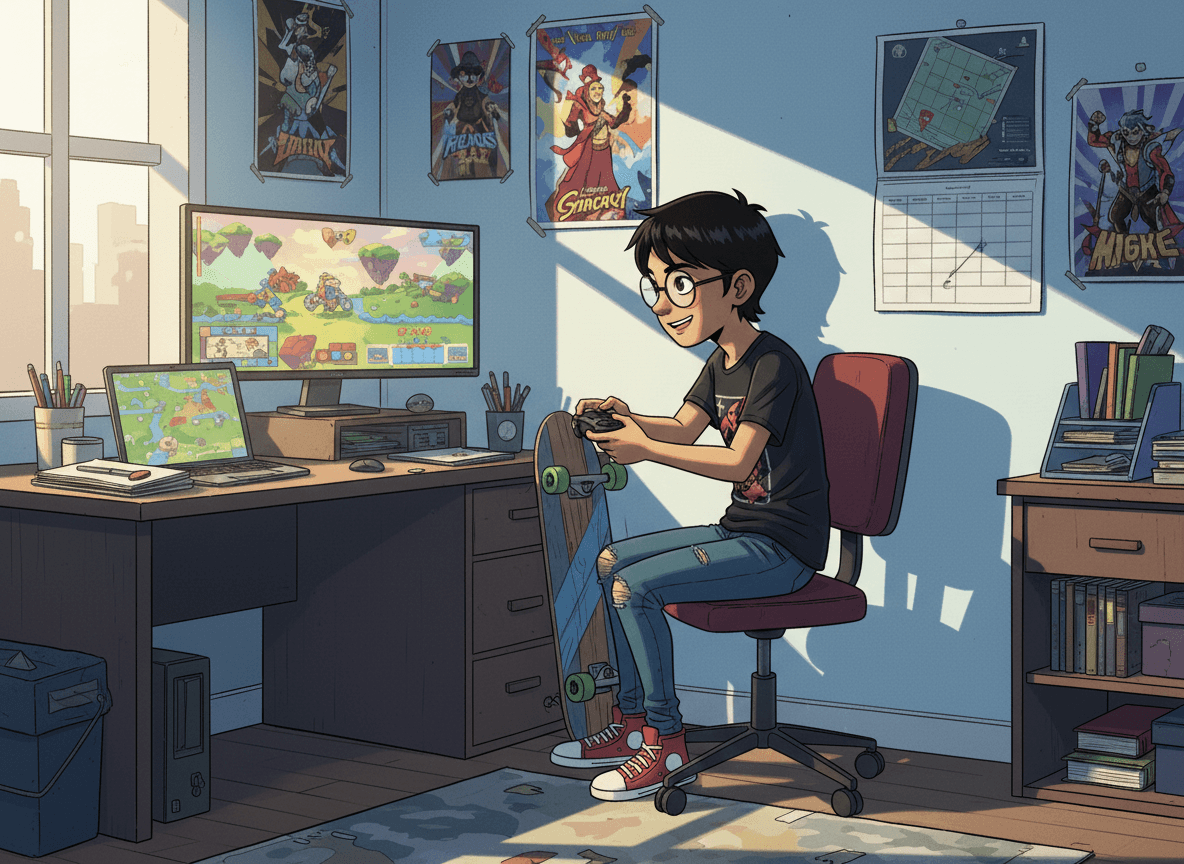
I realized my new routine could still include everything I love. Video games after homework gives me something to look forward to. Skateboarding on certain days keeps me active. Reading graphic novels at night helps me relax before bed. My schedule is different, but it still has space for the things that matter to me.
On days when my schedule feels confusing, I use a visual checklist. I check off each thing as I finish it. This helps my brain know what comes next, even though the times are different from my old schedule. Checking things off feels rewarding and keeps me organized.
Some days my schedule doesn't go exactly as planned. Someone might need help, or I might finish something faster than expected. That's normal. Routines are guides, not rules that can never change. When something unexpected happens, I adjust and keep going.
I learned that my new schedule actually helps me get more done. When I know what comes next, I can focus better on what I'm doing right now. My homework gets done faster. I have more time for gaming and skateboarding because I'm organized.
Change to my schedule used to feel hard. Now I understand that schedules help my brain work better, and they can change without that being a bad thing. My new routine works for my life now. I adapted, and that shows I'm flexible and capable.
Social Story Methodology
Why This Story Works
This story addresses a core challenge for children with autism and ADHD: the anxiety and dysregulation that comes when established routines change without warning. By walking through the child's own thought process—from confusion to acceptance to strategy-building—the story models how to reframe schedule changes as manageable rather than catastrophic. Carol Gray's methodology shines here because it validates the child's initial feelings while gently guiding them toward problem-solving and recognizing that flexibility and adaptation are strengths, not failures.
Story Structure
How It's Written
Sentence Types
Voice & Perspective
Story Structure
Practical Guidance
Ways to Use This Story
Create a Visual Schedule Together
Start With the Checklist System
Anchor Rewards to the New Routine
Revisit the 'Routines Are Guides' Message
Celebrate the Adaptation Itself
Want this story made just for your child?
Create a version with your child's name, appearance, and the specific details only they face — in minutes.
from $2.99 · no subscription · pay per story
More Transitions Stories
Free to read and print
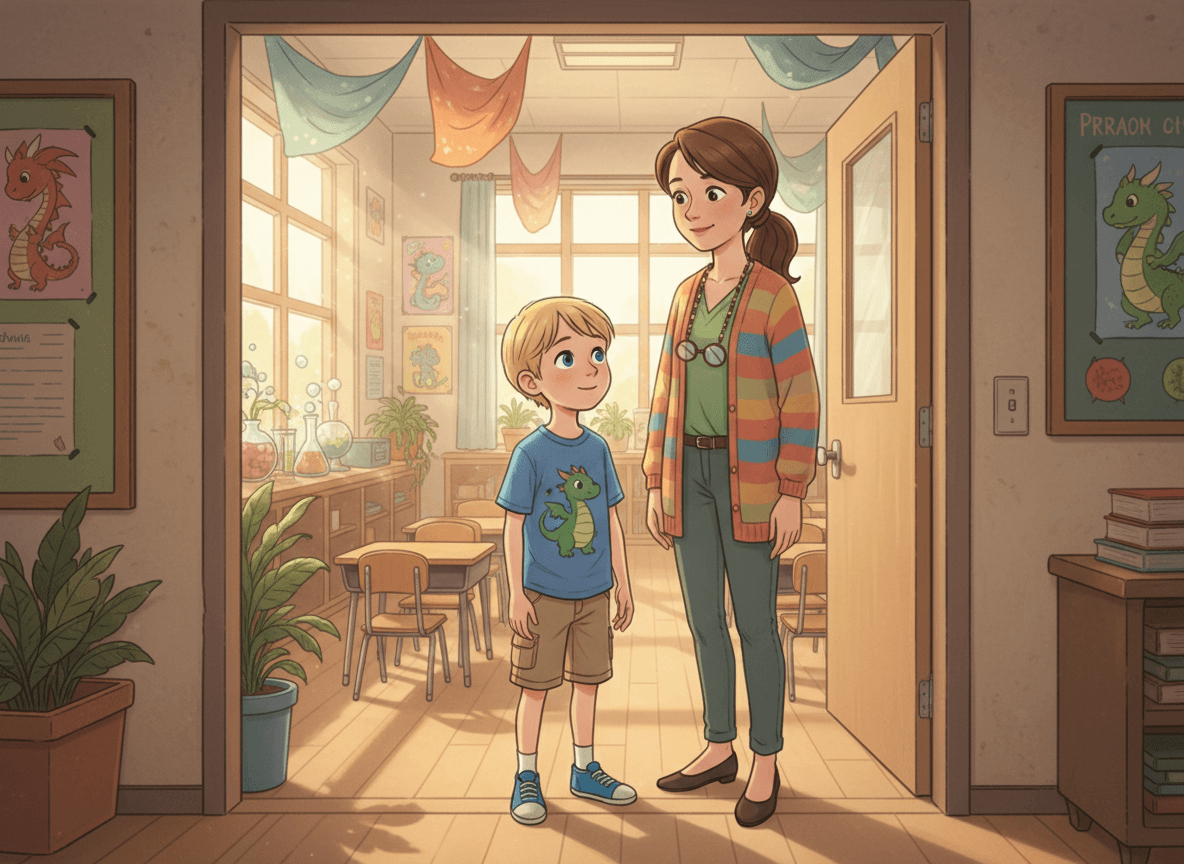
My New Grade and Teacher
Ethan moves to a new grade and meets his new teacher, Ms. Davis. This story helps him understand the changes ahead, learn a specific coping strategy for transition anxiety, and discover that new beginnings can be exciting.

My First Day at New School
Amara prepares for her first day at a new school, exploring what to expect and building confidence in her ability to navigate the new environment and meet new people.
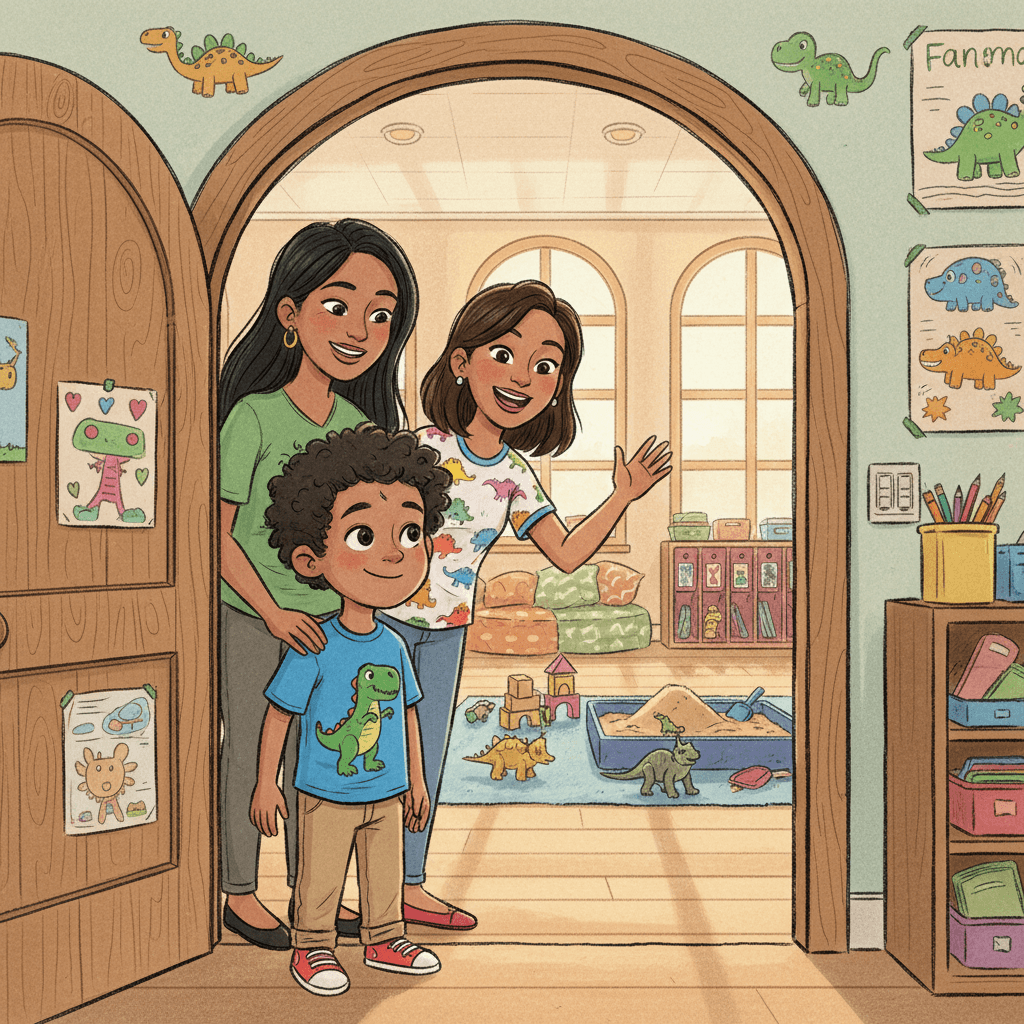
Amir's First Day at Preschool
Amir starts preschool and discovers all the exciting things he can do in his new classroom. This story helps him feel ready and confident about his first day, and teaches him a coping strategy to use when he feels worried.